How Much Does Transport Cost per KM in Europe?
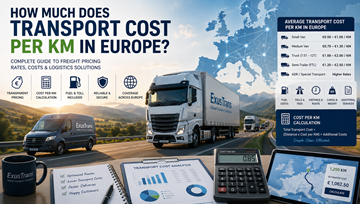
Understanding how transport rates per kilometer work can help businesses and private customers estimate delivery costs, compare transport offers, and choose the most cost-effective logistics solution. In this guide, we explain how transport cost per KM is calculated in Europe and what affects freight pricing across different vehicle categories.
What Does Transport Cost per KM Mean?
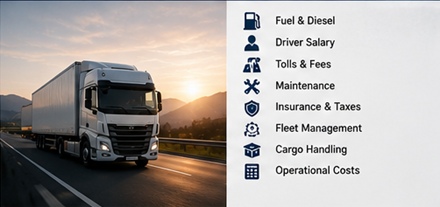
Transport cost per kilometer refers to the average price charged for moving cargo over one kilometer. Logistics companies use this calculation to estimate delivery pricing for local, national, and international transport operations.
The cost per KM usually includes operational expenses such as fuel, driver wages, vehicle maintenance, insurance, road tolls, and fleet management. Some transport providers also include loading, waiting time, customs processing, or ferry costs.
- Fuel and diesel consumption
- Driver salary and travel expenses
- Road tolls and highway fees
- Vehicle maintenance and repairs
- Insurance and taxes
- Fleet management systems
- Cargo handling and loading
- Administrative and operational costs
Average Transport Costs per KM in Europe
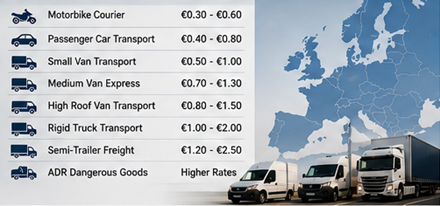
Transport rates in Europe vary depending on the vehicle type, route, urgency, and cargo requirements. Small local deliveries are usually cheaper, while international express transport or specialized freight services cost more.
The following ranges represent approximate transport pricing commonly used across European logistics markets. Actual prices may vary depending on fuel costs, demand, and regional conditions.
- Motorbike courier: €0.30 – €0.60 per KM
- Passenger car delivery: €0.40 – €0.80 per KM
- Small van transport: €0.50 – €1.00 per KM
- Medium van express delivery: €0.70 – €1.30 per KM
- High roof van transport: €0.80 – €1.50 per KM
- Rigid truck transport: €1.00 – €2.00 per KM
- Semi-trailer freight: €1.20 – €2.50 per KM
- ADR dangerous goods transport: higher specialized rates
How Distance Affects Freight Pricing
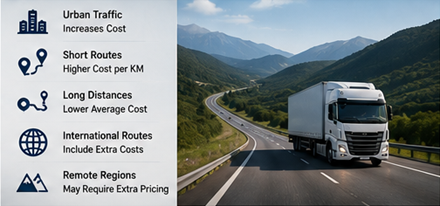
Distance is one of the biggest factors affecting transport pricing. However, longer transport routes do not always mean higher cost per kilometer. Long-distance shipments often benefit from lower average KM pricing because fixed operational expenses are spread over more kilometers.
Short-distance urban deliveries usually have higher cost per kilometer because drivers spend more time in traffic, loading zones, and city restrictions.
- Urban traffic increases delivery time
- Short routes reduce efficiency
- Long-distance transport lowers average KM cost
- International routes include additional expenses
- Remote regions may require extra pricing
Fuel Prices and Their Impact on Transport Rates
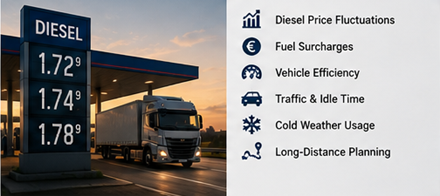
Fuel is one of the largest operational expenses for transport companies. European freight pricing changes regularly depending on diesel market fluctuations and fuel consumption levels.
Heavy trucks consume significantly more fuel than small vans, especially on mountainous routes or congested highways. Many carriers apply fuel surcharges when diesel prices rise rapidly.
- Diesel price fluctuations
- Fuel surcharges on invoices
- Vehicle fuel efficiency
- Traffic and idle time consumption
- Cold weather fuel usage
- Long-distance fuel planning
Vehicle Type and Cargo Capacity
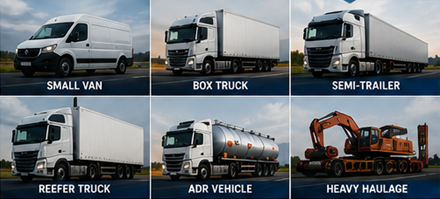
The type of transport vehicle directly affects pricing per kilometer. Small vans are more economical for lightweight shipments, while large trucks and semi-trailers are used for industrial freight and pallet transport.
Specialized transport vehicles such as refrigerated trucks, ADR vehicles, or oversized cargo transport units require additional equipment, permits, and certifications, increasing the total freight cost.
- Small vans for urgent delivery
- Box trucks for pallet transport
- Semi-trailers for FTL logistics
- Refrigerated transport for food products
- ADR vehicles for dangerous goods
- Heavy haulage for oversized cargo
Road Tolls and International Transport Costs
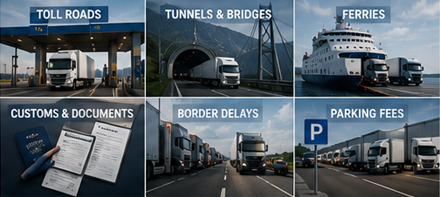
Many European countries charge trucks for using highways, tunnels, and bridges. Toll systems often calculate charges based on distance, emissions class, and vehicle weight.
International transport may also include ferry crossings, customs procedures, parking fees, and border delays, all of which increase the final transport cost per kilometer.
- Highway toll systems
- Bridge and tunnel charges
- Ferry crossing costs
- Customs documentation
- Border waiting times
- Secure truck parking fees
Express Delivery vs Standard Freight Rates
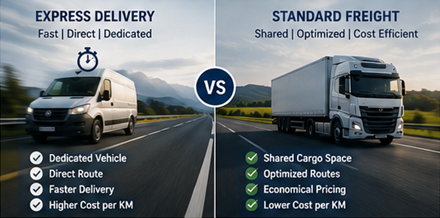
Express transport services usually cost more per kilometer because the shipment is transported directly without route sharing or consolidation. Dedicated vehicles and urgent scheduling increase operational expenses.
Standard freight and groupage transport are often more affordable because multiple shipments share the same truck space and route.
- Express transport prioritizes speed
- Dedicated vehicles increase pricing
- Groupage transport reduces costs
- LTL transport shares cargo space
- FTL transport offers direct delivery
- Urgent weekend transport costs more
How Logistics Companies Calculate Freight Prices
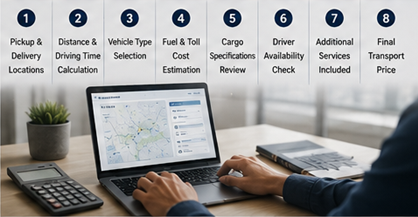
Professional logistics companies calculate transport prices using route planning software, operational cost analysis, and freight market demand. Carriers also consider vehicle availability, return routes, and driver schedules.
Modern logistics systems help carriers optimize routes and reduce empty kilometers, improving overall transport efficiency.
- Pickup and delivery locations are entered
- Distance and driving time are calculated
- Vehicle type is selected
- Fuel and toll costs are estimated
- Cargo specifications are reviewed
- Driver availability is checked
- Additional services are included
- Final transport price is generated
How Businesses Reduce Transport Costs
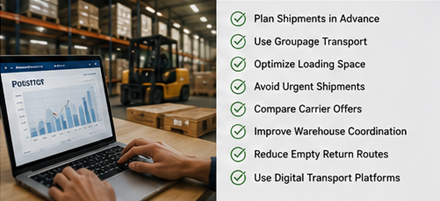
Businesses can reduce freight costs by improving logistics planning and choosing efficient transport solutions. Shipment consolidation and advanced route planning are among the most effective methods for lowering delivery expenses.
Digital logistics platforms also allow companies to compare transport offers, reduce empty vehicle space, and improve coordination between warehouses and carriers.
- Plan shipments in advance
- Use groupage transport when possible
- Optimize loading space
- Avoid unnecessary urgent shipments
- Compare multiple carrier offers
- Improve warehouse coordination
- Reduce empty return routes
- Use digital transport platforms
Transport Cost Trends in Europe
Transport costs in Europe continue to change because of fuel prices, environmental regulations, labor shortages, and increased logistics demand. Sustainability requirements and low-emission zones are also influencing freight pricing across European countries.
Many logistics companies are investing in route optimization systems, electric vehicles, and digital fleet management to improve efficiency and reduce long-term operational costs.
- Rising diesel prices
- Low-emission transport regulations
- Driver shortages in Europe
- Growing e-commerce demand
- Digital logistics systems
- Fleet electrification investments
Conclusion
Transport cost per kilometer is a key part of freight pricing across Europe. Distance, fuel prices, vehicle type, toll systems, and cargo requirements all influence the final logistics cost.
Understanding how pricing works helps businesses and private customers make better transport decisions, compare carrier offers, and reduce unnecessary logistics expenses. Modern digital transport platforms also make it easier to optimize routes and improve freight efficiency across Europe.
Frequently Asked Questions
How much does transport cost per KM in Europe?
Transport costs in Europe vary depending on vehicle type and route, but average rates usually range from €0.50 to €2.50 per kilometer.
Why are short-distance deliveries more expensive per KM?
Urban traffic, loading delays, and limited route efficiency increase operational costs for short-distance deliveries.
What affects freight transport pricing the most?
Distance, fuel prices, vehicle category, tolls, and delivery urgency are the biggest factors affecting freight pricing.
Do toll roads increase transport costs?
Yes. European highway toll systems can significantly increase logistics expenses, especially for heavy trucks and long-distance transport.
Why is express delivery more expensive?
Express transport uses dedicated vehicles and direct routes without combining shipments, which increases operational costs.
Can businesses reduce transport expenses?
Yes. Better route planning, shipment consolidation, and digital logistics systems can help businesses reduce transport costs.
What is cheaper: FTL or LTL transport?
LTL transport is usually cheaper for smaller shipments because multiple customers share the same vehicle space.
Do fuel prices change freight rates?
Yes. Fuel prices directly affect transport company operating expenses and often lead to changes in freight pricing.
eXus Dev